Houseplants not only breathe life into your space but also serve as beautiful decor, adding pops of color and a cozy, lived-in feel to any room. The best part? You don’t need to be a plant expert to enjoy their benefits. Many indoor plants are incredibly low-maintenance, meaning they don’t require frequent watering or strict environmental conditions—making them perfect for beginners.

“You can essentially buy these plants and expect them to live a long time without much work on your end,” says Jamie Mitri, founder and CEO of Moss Pure.
If you’re looking to enjoy all the perks of indoor greenery without the hassle, we’ve rounded up 38 easy-care houseplants that are beginner-friendly, widely available, and guaranteed to brighten your home with minimal effort.
01. Jade Plant (Crassula ovata)
Jade Plant (Crassula ovata) – Often referred to as the “money plant,” the jade plant is prized for its glossy, deep green leaves that are believed to symbolize prosperity and good fortune. It’s a slow grower, typically adding just about two inches in height each year, which makes it easy to manage indoors.
As a succulent, the jade plant thrives with minimal watering and loves bright, direct sunlight—making it an ideal choice for beginners or anyone looking for a fuss-free houseplant.
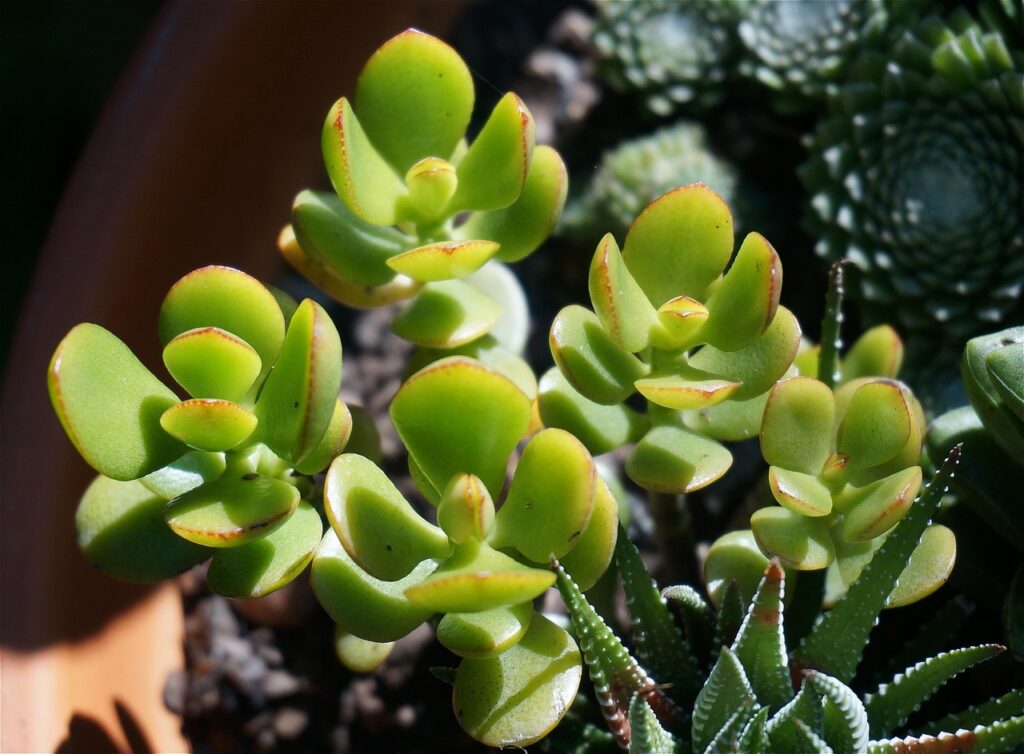
- Light: Prefers bright, indirect to direct sunlight. A south- or west-facing window is ideal. Too little light can cause leggy growth.
- Water: Water sparingly. Allow the top 1–2 inches of soil to dry out completely between waterings. Overwatering is the most common way to kill a jade plant.
- Soil: Use a well-draining succulent or cactus mix. You can also mix regular potting soil with sand or perlite for better drainage.
- Temperature: Thrives in temperatures between 65°F to 75°F (18°C to 24°C). Protect from frost and cold drafts.
- Humidity: Jade plants prefer low to average humidity. They’re not fussy about air moisture.
- Fertilizer: Feed with a diluted succulent fertilizer once every 2–3 months during spring and summer. Avoid fertilizing in fall and winter.
- Growth Rate: Slow-growing, about 2 inches per year. Can live for decades with proper care.
- Toxicity: Toxic to pets (dogs and cats) if ingested.
02. Gasteria (Gasteria spp.)
Named for its thick, pointed, tongue-like leaves, the Gasteria is often nicknamed “Ox Tongue” due to its unique appearance. The dark green leaves are typically speckled with white or light green spots, giving this succulent a decorative flair. Like most succulents, it’s incredibly low-maintenance, making it a perfect choice for beginner plant owners or those with busy lifestyles.
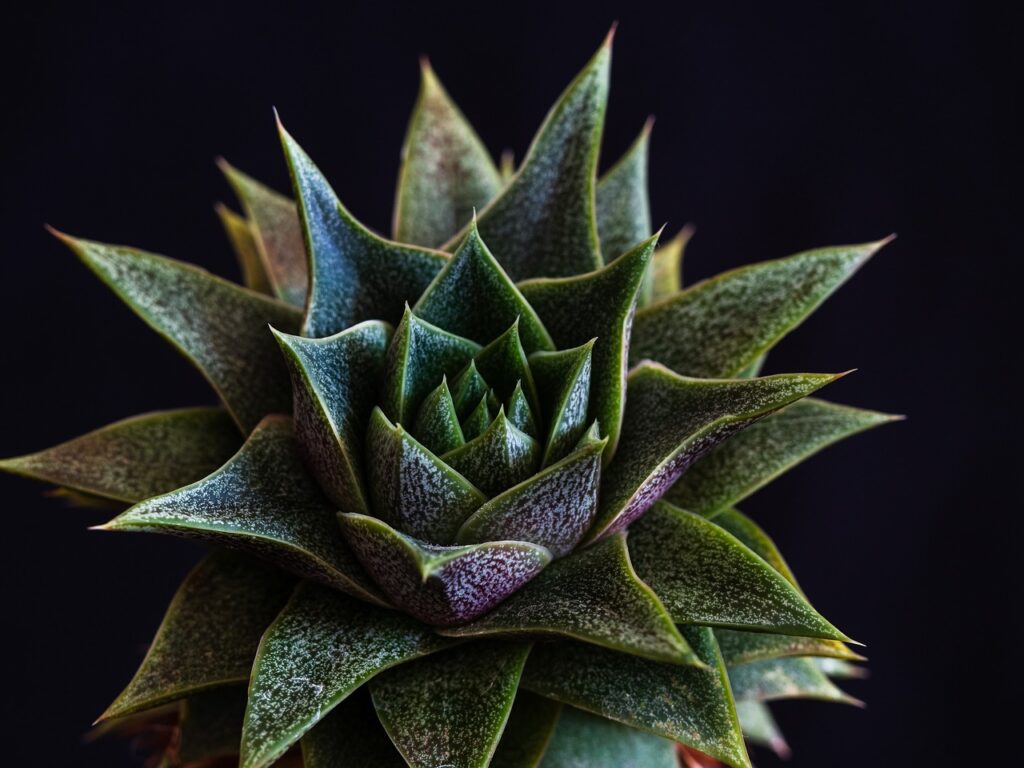
- Light: Prefers bright, indirect sunlight. Can tolerate some direct morning sun, but too much intense light can scorch the leaves.
- Water: Requires infrequent watering. Allow the soil to dry out completely between waterings. Water less in winter when growth slows.
- Soil: Use a well-draining cactus or succulent soil mix. You can also mix regular potting soil with sand or perlite for added drainage.
- Temperature: Thrives in 60°F to 80°F (15°C to 27°C). Avoid exposure to temperatures below 50°F (10°C).
- Humidity: Grows well in low humidity environments. No need for misting.
- Fertilizer: Feed with a diluted cactus fertilizer once a month during spring and summer. No feeding is necessary in the dormant winter months.
- Growth Rate: Moderate. Grows in clumps and may produce offsets (“pups”) that can be repotted.
- Toxicity: Non-toxic to pets, making it a safe choice for homes with cats or dogs.
03. African Milk Tree (Euphorbia trigona)
Though it resembles a cactus, the African Milk Tree is technically a succulent. Its tall, upright stems are adorned with triangular, teardrop-shaped green leaves and small thorns along the ridges, giving it a sleek, architectural look that’s perfect for modern interiors. Hardy and forgiving, this plant adapts well to a variety of light conditions, making it a favorite among beginners. However, its sap is toxic and can cause irritation—so handle with care and keep it away from pets and children.
- Light: Prefers bright, indirect sunlight but can tolerate partial direct sun. A sunny window is ideal. Too little light may result in leggy or weak growth.
- Water: Water sparingly. Allow the soil to dry out completely between waterings. Water less during the winter when the plant goes semi-dormant.
- Soil: Use a well-draining cactus or succulent soil mix. Adding sand or perlite helps improve drainage.
- Temperature: Thrives in 65°F to 80°F (18°C to 27°C). Protect from temperatures below 50°F (10°C), as it is not frost-tolerant.
- Humidity: Enjoys average indoor humidity. No extra humidity is required.
- Fertilizer: Feed once a month during the growing season (spring and summer) with a diluted succulent fertilizer. Do not fertilize in fall or winter.
- Growth Rate: Fast-growing under ideal conditions. Can grow up to 1–2 feet per year and reach over 6 feet indoors.
- Toxicity: Toxic to humans and pets. The white sap can irritate skin and eyes and is harmful if ingested.
04. Aloe Vera (Aloe barbadensis miller)
Aloe vera is a classic favorite for beginners, thanks to its low-maintenance nature and numerous benefits. This spiky succulent stores water in its thick, fleshy leaves and requires very little care to thrive. While it’s best known for the soothing gel inside its leaves—commonly used for burns and skin care—it can also produce striking tubular blooms in shades of yellow, orange, or red when mature and given the right conditions. However, keep in mind that aloe vera is toxic if ingested by pets or young children.
- Light: Thrives in bright, indirect sunlight or direct morning sun. Place near a sunny window for best growth. Avoid low-light conditions.
- Water: Water infrequently. Allow the soil to dry out completely between waterings. Overwatering can lead to root rot.
- Soil: Use a well-draining cactus or succulent potting mix. You can improve drainage by adding sand or perlite.
- Temperature: Prefers temperatures between 60°F to 80°F (15°C to 27°C). Not frost-tolerant—keep indoors during cold months.
- Humidity: Tolerates low humidity well. Avoid overly humid environments.
- Fertilizer: Feed sparingly with a diluted succulent fertilizer every 2–3 months during spring and summer. No feeding in winter.
- Growth Rate: Moderate. Can grow 1–2 feet tall indoors with proper care.
- Toxicity: Toxic to cats, dogs, and humans if ingested. Keep out of reach of children and pets.
05. Snake Plant (Dracaena trifasciata)
Also known as mother-in-law’s tongue, the snake plant gets its name from its upright, sword-like leaves that resemble a snake poised to strike. Its bold, architectural look makes it a popular indoor plant—and its tolerance for neglect makes it a dream for beginners. Snake plants thrive in a variety of environments, including low light and infrequent watering, and they can even withstand drought-like conditions.
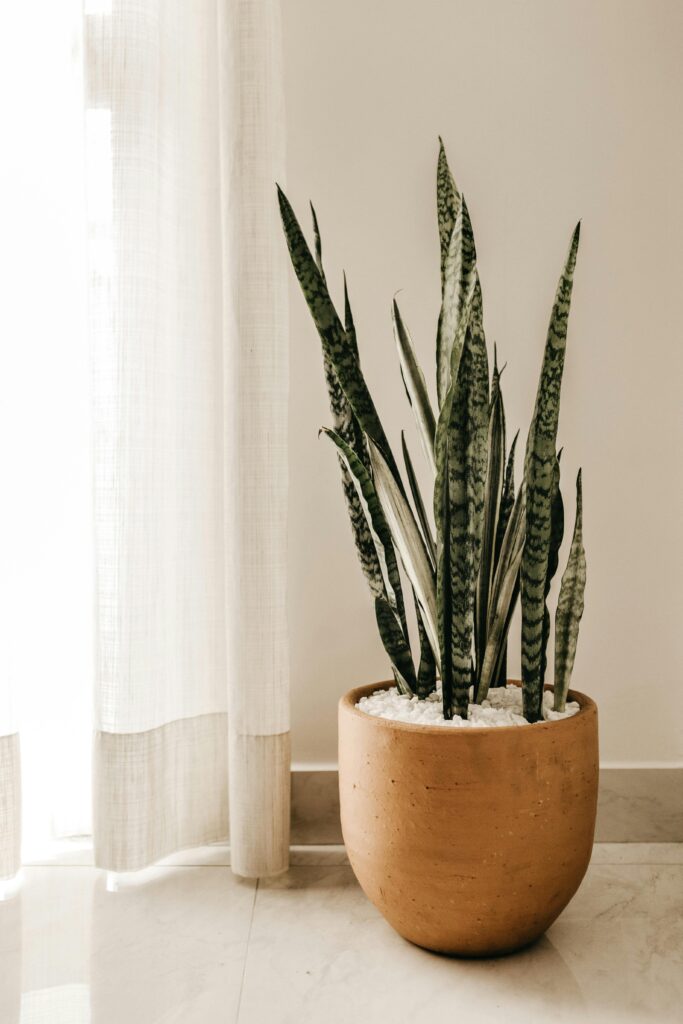
- Light: Extremely adaptable. Prefers bright, indirect light, but also tolerates low light and even fluorescent lighting—ideal for offices or dim rooms.
- Water: Water sparingly. Allow the soil to dry out completely before watering again. Overwatering is the most common mistake and can lead to root rot.
- Soil: Needs well-draining soil. A cactus or succulent mix works best. You can also add sand or perlite to improve drainage.
- Temperature: Grows well in temperatures between 60°F to 85°F (16°C to 29°C). Keep away from freezing drafts or frost.
- Humidity: Low to average humidity is preferred. No need for misting or extra moisture.
- Fertilizer: Feed once every 2–3 months during the growing season (spring and summer) using a mild liquid houseplant fertilizer.
- Growth Rate: Slow to moderate growth indoors, but can grow faster in bright light.
- Toxicity: Toxic to pets and humans if ingested. Keep out of reach of children and animals.
06. Black Rose Aeonium (Aeonium)
The Black Rose Aeonium is a striking succulent that instantly adds a bold, dramatic touch to any indoor space. Its rosette-shaped leaves are such a deep burgundy that they often appear black—hence the name. With its sculptural form and intense color, it makes for an eye-catching accent on windowsills or plant shelves. Like most succulents, it’s low-maintenance and beginner-friendly, thriving with minimal water and plenty of light.
- Light: Prefers full sunlight for the deepest leaf color, but can tolerate bright, indirect light as well. A south- or west-facing window is ideal indoors.
- Water: Water moderately but infrequently. Allow the soil to dry out completely between waterings. Reduce watering in winter when the plant is dormant.
- Soil: Use a well-draining cactus or succulent soil mix. Adding perlite or sand helps prevent water retention.
- Temperature: Thrives in 65°F to 75°F (18°C to 24°C). Not frost-tolerant—keep indoors during colder months or avoid exposure to temperatures below 50°F (10°C).
- Humidity: Does best in low to average humidity. Avoid overly moist environments.
- Fertilizer: Feed once a month during the growing season (spring and summer) with a diluted succulent fertilizer. No feeding in fall or winter.
- Growth Rate: Moderate. Can grow up to 3–4 feet tall under ideal conditions, but remains smaller indoors.
- Toxicity: Mildly toxic to pets if ingested. Keep out of reach of animals and children.
07. Purple Passion Vine (Gynura aurantiaca)
The Purple Velvet Plant is known for its vibrant, deep green leaves covered in fine, purple hairs that give it a soft, velvety texture—hence the name. This eye-catching plant adds a splash of bold color and a touch of the unusual to any indoor plant collection. Despite its exotic appearance, it’s surprisingly easy to care for, especially when given the right lighting.
- Light: Thrives in bright, indirect sunlight. Too much direct sunlight can fade its vivid purple color, while too little light may result in leggy growth.
- Water: Keep the soil evenly moist, but not soggy. Water when the top inch of soil feels dry. Avoid getting water on the leaves to prevent rot.
- Soil: Use a well-draining potting mix. A standard houseplant mix with added perlite works well.
- Temperature: Prefers 65°F to 75°F (18°C to 24°C). Protect from cold drafts and temperatures below 60°F (16°C).
- Humidity: Enjoys moderate to high humidity. If the air is too dry, consider using a humidifier or pebble tray.
- Fertilizer: Feed every 2–4 weeks during the growing season (spring through early fall) with a balanced liquid fertilizer diluted to half strength.
- Growth Rate: Fast-growing. May require occasional pruning to keep a compact shape and encourage bushier growth.
- Toxicity: Non-toxic to pets and humans, making it a safe and colorful option for any household.
08. Pothos (Epipremnum aureum)
The Pothos, also known as Devil’s Ivy, is one of the most popular and forgiving houseplants for beginners. This attractive vining plant thrives in low-light environments and only requires weekly watering, making it ideal for busy households or low-maintenance plant lovers. Native to tropical rainforests, where it grows along the forest floor and climbs trees, pothos is naturally adaptable and resilient. Available in a variety of colors and variegations—like golden, marble queen, neon, and jade—this versatile plant complements any interior style.
- Light: Tolerates low to bright, indirect light. Avoid direct sun, which can scorch the leaves. Ideal for offices and shaded rooms.
- Water: Water once the top 1–2 inches of soil feel dry. Typically needs water once a week, but less during cooler months.
- Soil: Use a well-draining all-purpose potting mix. Pothos isn’t fussy but appreciates a breathable soil.
- Temperature: Prefers temperatures between 65°F to 85°F (18°C to 29°C). Keep away from cold drafts or temperatures below 50°F (10°C).
- Humidity: Adapts well to average indoor humidity, but appreciates occasional misting in dry climates.
- Fertilizer: Feed once a month in spring and summer with a balanced liquid houseplant fertilizer diluted to half strength.
- Growth Rate: Fast-growing. Can trail several feet or be trained to climb. Regular pruning encourages fuller growth.
- Toxicity: Toxic to pets and humans if ingested. Keep out of reach of small children and animals.
09. String of Pearls
The String of Pearls is a stunning trailing succulent that instantly elevates any space with its delicate strands of spherical, bead-like leaves that resemble a string of green pearls. Ideal for hanging baskets or shelves, it creates a cascading effect that adds texture and visual interest. Despite its exotic appearance, this plant is surprisingly easy to care for, making it a favorite among beginners who want something unique and eye-catching.
- Light: Prefers bright, indirect light, but can also tolerate a few hours of direct morning sun. Avoid harsh afternoon sunlight, which can scorch the leaves.
- Water: Water sparingly. Let the soil dry out completely between waterings. Overwatering is a common cause of root rot.
- Soil: Use a well-draining succulent or cactus mix. A pot with drainage holes is essential to prevent moisture buildup.
- Temperature: Thrives in 65°F to 80°F (18°C to 27°C). Keep away from temperatures below 50°F (10°C).
- Humidity: Prefers dry conditions. Avoid high humidity and misting, which can lead to rot.
- Fertilizer: Feed once a month during spring and summer with a diluted succulent fertilizer. No feeding is needed in the winter months.
- Growth Rate: Moderate to fast-growing. Can trail several feet if given proper care.
- Toxicity: Toxic to pets and humans if ingested. Keep out of reach of children and animals.
10. Elephant Bush (Portulacaria afra ‘Variegata)
The Elephant Bush, also known as Dwarf Jade Plant or Miniature Jade, is a compact, charming succulent with small, round green leaves often tinged with a hint of pink or red along the edges. Its neat, shrubby appearance makes it a delightful addition to tabletops, windowsills, or succulent arrangements. Native to South Africa, this plant is beloved not only for its beauty but also for its easy care requirements, making it perfect for beginners—especially if it receives at least 6 hours of sunlight daily.
- Light: Needs bright, indirect sunlight or direct morning sun for at least 6 hours daily. Can tolerate full sun once acclimated.
- Water: Allow the soil to dry out completely between waterings. Water thoroughly but infrequently, especially in winter when the plant becomes semi-dormant.
- Soil: Prefers well-draining cactus or succulent soil mix. Add sand or perlite for extra drainage.
- Temperature: Best in 65°F to 80°F (18°C to 27°C). Keep away from cold drafts and protect from temperatures below 50°F (10°C).
- Humidity: Thrives in low to moderate humidity. No additional moisture is needed.
- Fertilizer: Feed once a month during the growing season (spring and summer) with a diluted succulent or cactus fertilizer.
- Growth Rate: Slow to moderate growth. Can be pruned to maintain shape or encouraged to trail or grow upright.
- Toxicity: Non-toxic to humans, but mildly toxic to pets if ingested in large amounts.
You can also decorate your balcony with these indoor plants. If you don’t know How to Start a Balcony Garden: Simple Guide for Beginners check it learn more
Pingback: Drought-Tolerant & Native Plant Gardening: The Top Home Gardening Trend in the USA (2025)