Transform Your Yard into a Sanctuary for Bees, Butterflies, and Birds
Have you noticed fewer butterflies fluttering past your window or a silence where bees used to buzz? You aren’t alone. With natural habitats disappearing across the US, our backyard gardens have become the “last stand” for vital wildlife. But here is the good news: you can be part of the solution.
By learning how to start a pollinator garden, you aren’t just planting flowers; you are building an ecosystem. Whether you have a sprawling estate or a small urban balcony, creating a certified wildlife habitat is one of the most rewarding and trending topics in American gardening today. This guide will walk you through designing a native plant paradise that brings life back to your landscape.
Why Your Garden Needs Native Plants
The secret to a successful wildlife garden isn’t just about color; it’s about connection. Native plants—those indigenous to your specific region—are the foundation of a healthy habitat.
Unlike exotic plants from other continents, native plants have co-evolved with local insects and birds for thousands of years.
- The “Keystone” Effect: Certain native plants (like Oaks, Cherries, and Willows) support hundreds of species of caterpillars, which are the primary food source for baby birds.
- Low Maintenance: Native plants are adapted to your local soil and rainfall, often requiring less water and fertilizer than non-natives.
- Perfect Timing: Their bloom times align perfectly with the life cycles of local pollinators.
1. The Three Essentials: Food, Water, and Shelter
To create a functioning wildlife habitat, you need to provide three basic elements.
A. Food: It’s More Than Just Nectar
Most people think of flowers (nectar) for adult bees and butterflies. However, a complete habitat also feeds the babies.
- Continuous Bloom: Plant a variety of flowers that bloom from early spring to late fall to provide a steady food supply.
- Spring: Wild Geranium, Columbine, Phlox.
- Summer: Coneflower (Echinacea), Bee Balm (Monarda), Black-eyed Susan.
- Fall: Asters and Goldenrod (crucial fuel for migrating Monarchs).
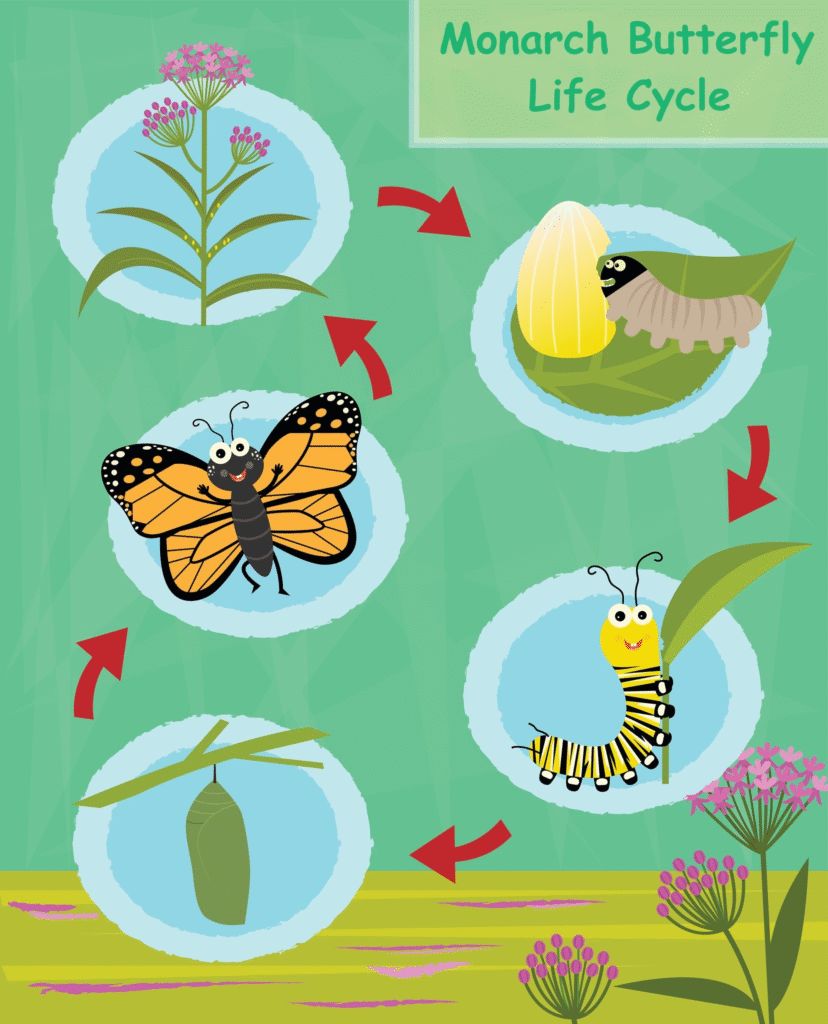
- Larval Host Plants: You must provide plants for caterpillars to eat. For example, Monarch butterflies only lay eggs on Milkweed. Without host plants, you will have butterflies passing through, but no new generations.
B. Water: The Puddling Station
Pollinators need hydration, but a deep birdbath can be a drowning hazard for tiny insects.
- Create a “Puddling” Area: Fill a shallow saucer with sand or pebbles and water. Butterflies will land on the wet stones to drink and absorb essential minerals from the soil (a behavior called “puddling”).
- Bird Baths: For birds, provide a traditional bath, but ensure you clean it every few days to prevent mosquito breeding.
C. Shelter: The “Messy” Garden Trend
This is the easiest step! Beneficial insects and small mammals need places to hide from predators and harsh weather.
- Leave the Leaves: In autumn, leave fallen leaves in your garden beds. Many moth caterpillars (like the Luna Moth) and pollinators overwinter in leaf litter.
- Skip the Fall Cleanup: Leave dried flower stalks standing until late spring. Many solitary native bees nest inside these hollow stems.
- Brush Piles: A small, discreet pile of twigs in a corner can provide a home for birds and ground beetles.
2. Design Tips for a Buzzing Garden
You don’t need a degree in landscape architecture to design a pollinator-friendly garden, but a few strategic choices make a big difference.
- Plant in Drifts (Clumps): Don’t plant one flower here and one there. Plant in groups of 3, 5, or 7 of the same species. This creates a “target” that is easier for flying pollinators to spot from the air.
- Ditch the Pesticides: This is non-negotiable. Insecticides kill the very creatures you are trying to attract. Instead, rely on natural predators (like ladybugs and birds) to control pests.
- Vary Flower Shapes: Different pollinators have different tongue lengths.
- Tubular flowers (like Penstemon) attract hummingbirds.
- Flat, open flowers (like Daisies) are perfect for bees and butterflies to land on.
3. Top 5 “Power Plants” for US Pollinator Gardens
If you only have space for a few plants, choose these powerhouses that support the widest range of wildlife:
- Milkweed (Asclepias): The only host plant for Monarchs.
- Purple Coneflower (Echinacea purpurea): A magnet for bees and butterflies; seeds feed goldfinches in winter.
- Goldenrod (Solidago): A vital late-season nectar source (and no, it doesn’t cause hay fever—that’s Ragweed!).
- Oak Trees (Quercus): The ultimate keystone species, supporting over 500 species of caterpillars.
- Bee Balm (Monarda): A favorite of hummingbirds and bumblebees.
Conclusion: Start Small, Grow Wild
Creating a wildlife habitat is a journey, not a race. You don’t have to tear up your entire lawn tomorrow. Start by converting one small flower bed to native plants or adding a container of milkweed to your patio.
Every plant counts. By welcoming nature back into your yard, you aren’t just gardening; you’re restoring the web of life, one bloom at a time. Are you ready to hear the hum of a happy garden?