Gardening in the United States is easy if you stop making beginner mistakes. Most new
gardeners fail not because they lack skill, but because they choose the wrong plants or plant
them at the wrong time.
This guide is designed specifically for US beginners who want:
- Easy, low-maintenance plants
- Clear seasonal planting advice
- High success with minimal effort
If you follow this guide and still fail, the issue isn’t gardening — it’s execution.
Why Most Beginner Gardeners in the US Fail
Let’s be direct:
- You don’t need rare plants
- You don’t need expensive tools
- You don’t need a “green thumb”
You fail because you:
- Ignore US planting seasons
- Start with high-maintenance plants
- Overwater out of anxiety
Best Plants for Beginners in the USA (Easy & Reliable)
These plants are proven performers across most US hardiness zones. They tolerate mistakes
and still grow.
1. Snake Plant (Sansevieria)
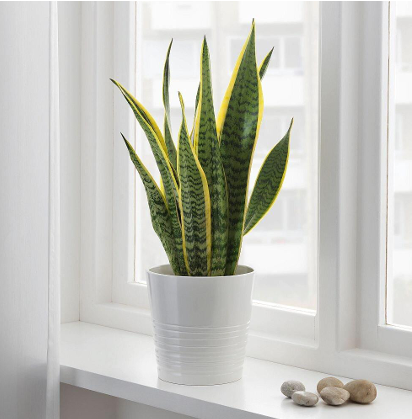
If you’re new to plants, start here.
Why it’s beginner-proof:
- Thrives in low light
- Needs watering every 2–3 weeks
- Survives dry indoor air
Best location: Indoors
Light: Low to bright indirect light
2. Pothos (Devil’s Ivy)
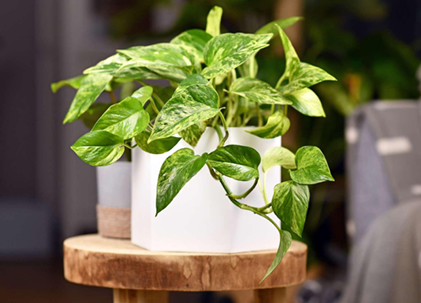
Fast growth keeps beginners motivated.
Why it works:
- Grows in water or soil
- Handles missed waterings
- Ideal for shelves and hanging baskets
Best location: Indoors
Light: Medium to bright indirect light
3. Aloe Vera
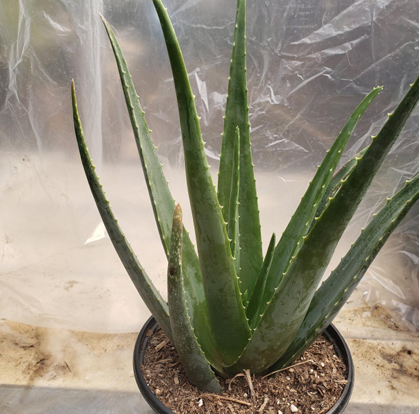
A functional plant that forgives neglect.
Benefits:
- Drought-tolerant
- Grows well in US summers
- Useful for skin care
Best location: Sunny window or patio
Light: Bright indirect to full sun.
4. Spider Plant
Hard to kill and great for indoor air quality.
Why beginners succeed with it:
- Tolerates inconsistent watering
- Grows well year-round indoors
- Produces baby plants easily
Best location: Indoors
Light: Bright indirect light
5. Basil (Container-Friendly)
If you want an edible plant, start here.
Why basil is beginner-friendly:
- Fast growth
- Clear feedback when thirsty
- Perfect for patios and balconies
Best location: Outdoor container
Light: Full sun (6–8 hours daily)
Seasonal Planting Guide for the USA
Planting in the wrong season guarantees failure — even for “easy” plants.
Below is a US-based seasonal guide that aligns with most temperate regions.
🌸 Spring Planting (March – May)
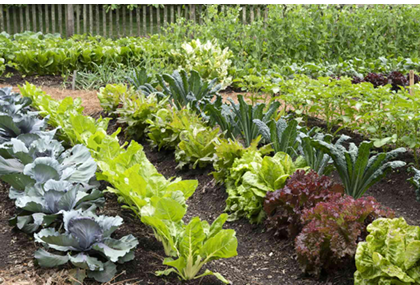
Spring in the USA generally runs from March to May, though astronomically it starts with the vernal equinox (around March 20/21) and meteorologically in March, bringing warmer, longer days with blooming flowers, greenery, and sometimes rain, but varies regionally with potential tornadoes in the Midwest, blooming in California, and melting ice in Alaska
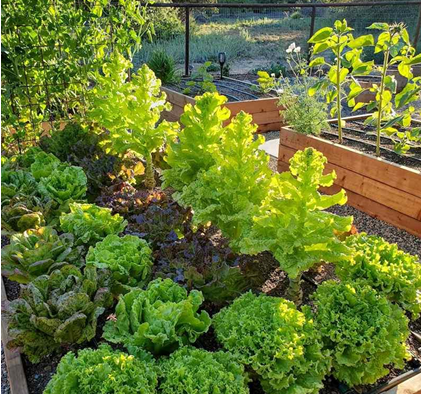
Best plants for spring:
- Tomatoes
- Lettuce
- Spinach
- Basil
- Peppers
Why spring works:
Mild temperatures and longer daylight support rapid root development.
🌞 Summer Planting (June – August)
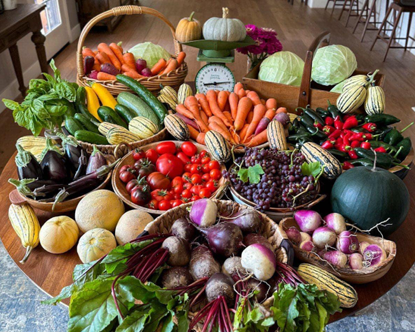
Summer in the USA is generally from June to August, characterized by warm to hot weather, long daylight hours, and peak tourism, ideal for outdoor activities like beach trips, national park visits, festivals (like the 4th of July), and events, though it means bigger crowds and longer waits. The specific weather varies greatly by region, from cooler in Alaska to very hot in the Southwest, with peak summer days often featuring sunshine and occasional thunderstorms.
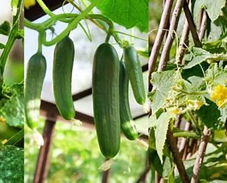
Best summer plants:
- Cucumbers
- Zucchini
- Okra
- Beans
- Sunflowers
Critical rule:
Water early morning. Midday watering is lazy and harmful.
🍂 Fall Planting (September – October)
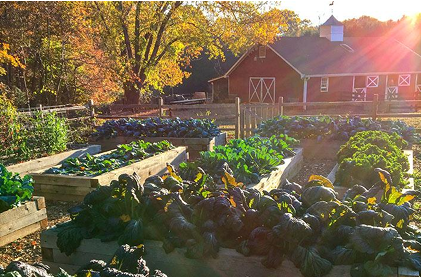
Fall (or Autumn) in the U.S. is the season between summer and winter, generally covering September, October, marked by cooler temperatures, shorter days, and vibrant changing leaf colors, officially starting around the September equinox (Sept 22-23) and ending with the winter solstice (Dec 21-22). It’s known for crisp air, harvest activities, and holidays like Halloween and Thanksgiving, transitioning from summer’s heat to winter’s cold
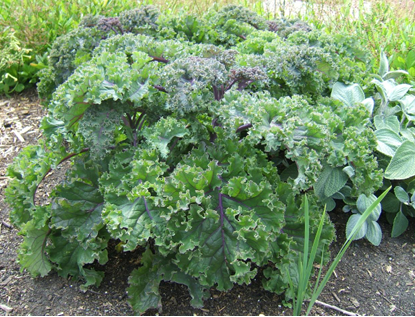
Best fall plants:
- Kale
- Broccoli
- Carrots
- Radishes
- Swiss chard
Why fall is underrated:
Cool temperatures reduce pest pressure and stress.
❄️ Winter Gardening (November – February)
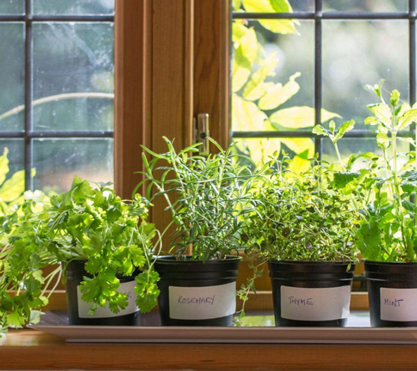
Winter gardening in the USA involves growing cold-hardy vegetables and plants through the cold season for fresh harvests or winter interest, utilizing season extenders like cold frames and hoop tunnels in colder zones, and choosing specific cool-season crops like kale, spinach, carrots, and hardy greens for warmer regions, with the overall goal being extending the garden’s productivity beyond typical growing seasons.
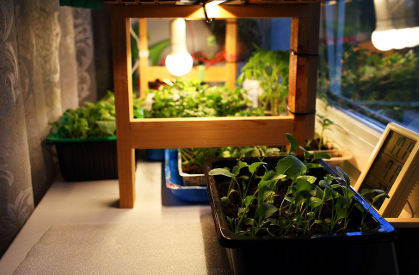
Best winter options:
- Indoor herbs (basil, parsley)
- Snake plant
- Pothos
- Spider plant
Reality check:
Outdoor gardening pauses in most US regions. Indoor plants dominate winter.
Basic Gardening Requirements (US Beginner Edition)
Stop overthinking this.
Soil
- Potting mix for containers
- Raised bed mix for gardens
- Avoid garden soil indoors
Containers
- Drainage holes are mandatory
- Bigger pots = less watering stress
Watering
- Check soil before watering
- Most beginner plants die from too much water, not too little
Beginner Mistakes That Kill Plants
If you’re honest, you’ve done at least two of these:
- Watering on a schedule instead of by soil condition
- Using fertilizer too early
- Constantly moving plants
- Expecting instant growth
Plants grow on their timeline — not yours.
Frequently Asked Questions (US Search Intent)
What are the easiest plants for beginners in the USA?
Snake plant, pothos, aloe vera, spider plant, and basil are the easiest beginner plants in the
US.
When should beginners start gardening in the US?
Spring is the best time to start gardening due to mild temperatures and longer daylight.
Can beginners grow plants in apartments?
Yes. Many beginner plants thrive indoors with indirect sunlight and minimal care.
How often should beginner plants be watered?
Only when the top inch of soil is dry. Overwatering is the #1 beginner mistake.
Final Reality Check
Gardening isn’t hard.
Poor decisions make it hard.
Choose forgiving plants.
Respect US seasons.
Stop hovering over your pots.
Do that consistently, and plants will grow — whether you feel “confident” or not.