🌿 Sustainable Water-Wise Gardening Guide
In today’s climate-conscious world, water-wise gardening is no longer a niche—it’s becoming essential. Whether you’re dealing with drought, trying to reduce your water bills, or simply want a low-maintenance yard, a sustainable, water-wise garden is one of the smartest investments you can make.
This Sustainable Water-Wise Gardening Guide will take you through everything: why this trend matters, how to design your garden, pick the right plants, and maintain it without wasting resources.
💧 Why Choose Sustainable Water-Wise Gardening?
- Climate resilience: Droughts and erratic weather patterns make traditional high-water lawns harder (and more expensive) to maintain. (besthomegardendesign.com)
- Eco-consciousness: Using native plants supports local ecosystems, pollinators, and wildlife. (Martha Stewart)
- Cost savings: Less watering means lower water bills. Gravity-fed watering, drip systems, and smart irrigation reduce waste. (jwalshgardens.co.uk)
- Low maintenance: Sustainable gardens often need less mowing, feeding, and weeding—saving time and effort.
🧭 Step 1: Plan Your Water-Wise Garden
- Assess Your Landscape
- Map sun and shade areas — water needs change based on light.
- Evaluate soil type: clay, loam, or sandy soils drain differently.
- Set Clear Goals
- Do you want a native pollinator garden, a meadow, or a mixed-use edible landscape?
- Decide how much effort you’re willing to put in (weekly watering vs. almost no watering).
- Design Smart Paths & Beds
- Use raised beds or mounded garden areas — they drain faster and reduce erosion.
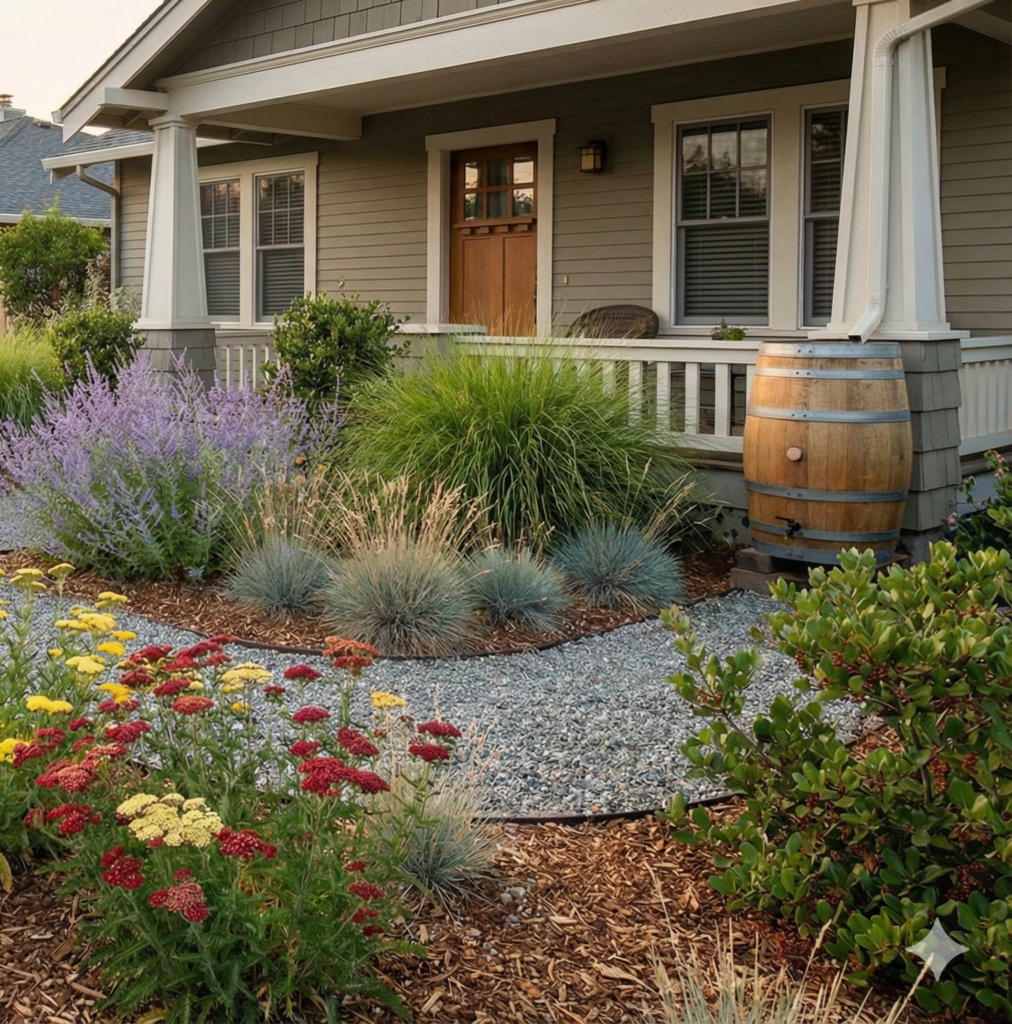
- Incorporate mulched pathways or permeable pavers to absorb rainwater and prevent runoff.
🌾 Step 2: Choose the Right Plants
Selecting the right plants is critical for a water-wise garden that thrives:
- Native species: These plants are matched to your local climate and soil, so they usually need less water. (Martha Stewart)
- Drought-tolerant picks: Think lavender, yarrow, ornamental grasses, sage. (Agriframes USA)
- Perennials over annuals: Choose long-lived plants that don’t need replanting every year.
- Edible landscaping: Mix in herbs, vegetables, or berry plants that are also climate-resilient. (bloomcabin.com)
- Wildflower and pollinator-friendly plants: These choices support local insects and wildlife. (Good Housekeeping)
🚰 Step 3: Use Water-Saving Techniques
A few smart techniques help maximize water efficiency:
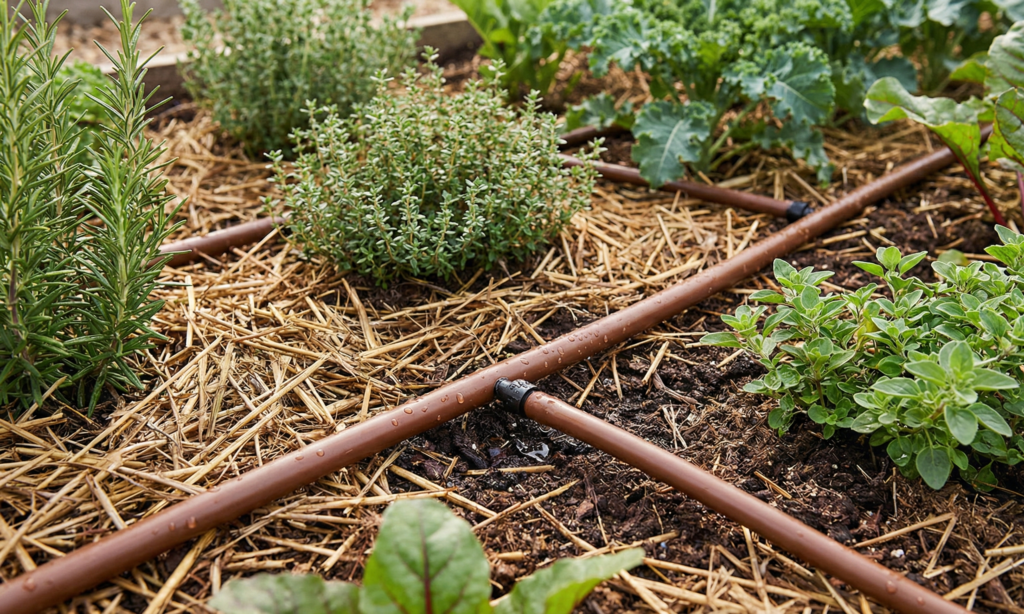
- Drip Irrigation & Soaker Hoses: Deliver water directly to roots — very efficient.
- Rainwater Harvesting: Use barrels or tanks to collect rain from roofs; use this to water your garden later. (bloomcabin.com)
- Mulching: Use organic mulch (leaves, wood chips) to reduce evaporation and keep soil cool. (jwalshgardens.co.uk)
- Smart Irrigation Controllers: Use sensors or app-based controllers that adapt to weather changes. (jwalshgardens.co.uk)
🌱 Step 4: Garden Design for Sustainability
- Living fences: Use shrubs or pollinator-friendly plants instead of fencing. (AP News)
- Vertical gardening: Grow on walls or trellises to maximize space and reduce water needs. (besthomegardendesign.com)
- Chaos gardening: Embrace a more “natural” look by scattering seeds and letting nature take over — less labor, more biodiversity. (Good Housekeeping)
- Sensory/wellness zones: Incorporate fragrant, drought-tolerant plants like lavender or sage to create relaxing spaces. (jwalshgardens.co.uk)
🔧 Step 5: Maintain Without Draining Your Water Tank
- Deep, infrequent watering: Water deeply once or twice a week is better than light daily watering.
- Check soil moisture: Use a moisture meter or simple finger test to avoid overwatering.
- Weed management: Keep weeds down, as they compete for water.
- Compost & organic matter: Regularly amend soil to improve water retention and plant health.
- Monitor for pests naturally: Use native predator-friendly plants instead of chemical pesticides.
🌼 Step 6: Eco-Sustainable Upgrades
- Rain gardens: Create low spots that capture rainwater and help with runoff.
- Composting: Turn kitchen and yard waste into rich compost to feed your garden naturally. (jwalshgardens.co.uk)
- No-dig beds: Avoid tilling — helps maintain soil structure and water retention. (besthomegardendesign.com)
- Smart tech: Consider soil sensors, app-based water controllers, or even robotic gardening tools in the future. (jwalshgardens.co.uk)
🌟 Final Thoughts on the Sustainable Water-Wise Gardening Guide
Incorporating sustainable, water-wise practices into your garden isn’t just trendy — it’s smart, forward-thinking, and deeply rewarding.
You can reduce your water usage, support local wildlife, and build a beautiful, low-maintenance garden that thrives year after year.
Whether you’re rethinking your lawn, starting a native plant plot, or going full-on edible landscape, this Sustainable Water-Wise Gardening Guide gives you the roadmap to do it right — and in a way that helps both your garden and the planet.