Introduction: Why Winter Gardening Is Worth It
Most gardeners pack up their tools when temperatures drop, but winter doesn’t have to mean the end of your gardening season. Across much of the U.S., cold-hardy vegetables thrive even in chilly conditions. With the right preparation and plant choices, you can harvest fresh greens, root crops, and herbs long after the first frost.
Winter gardening is not just rewarding—it’s also sustainable. By extending your growing season, you reduce dependency on store-bought produce and enjoy nutrient-rich food straight from your backyard.
Understanding Cold-Hardy Vegetables
Cold-hardy vegetables are those that can tolerate frost and low temperatures without significant damage. Many of these plants actually improve in flavor after exposure to cool weather—particularly root crops and leafy greens.
These vegetables fall into two categories:
- Frost-tolerant: Can handle light frost (28°F–32°F).
- Freeze-tolerant: Survive hard freezes (below 28°F).
Top Cold-Hardy Vegetables for Winter Gardening in the U.S.
🥬 1. Kale
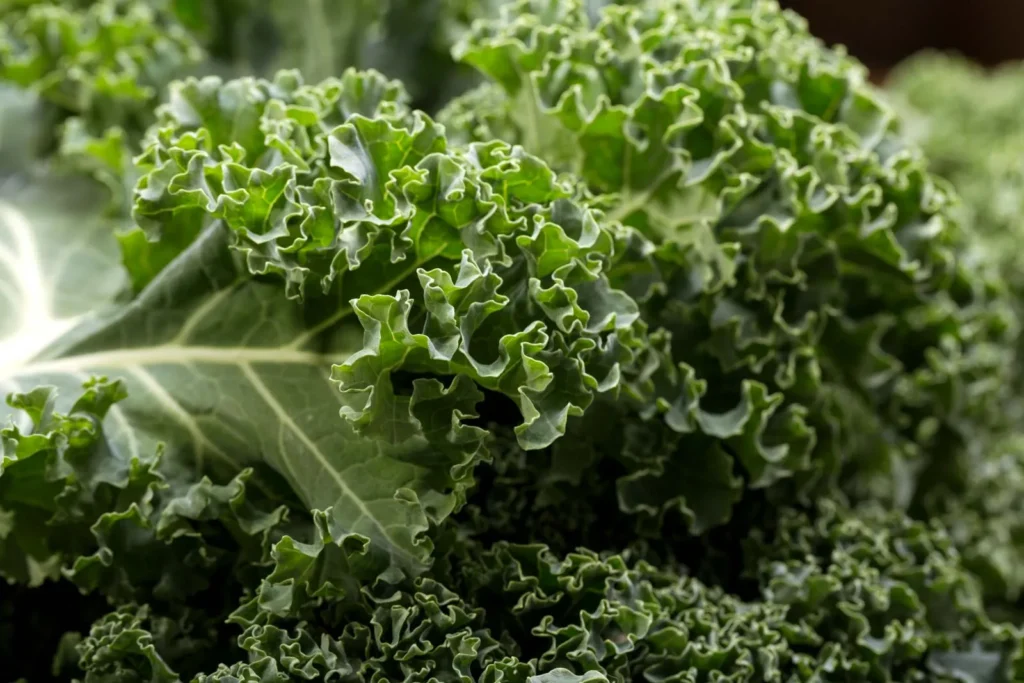
Kale is the superstar of winter gardening. This leafy green can survive temperatures as low as 10°F and becomes sweeter after frost exposure. Varieties like Winterbor and Red Russian are especially cold-resistant.
Tip: Cover kale with row covers or a cold frame to extend your harvest even in deep winter.
🥕 2. Carrots
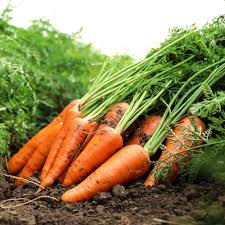
Carrots thrive in cool soil and develop an intense sweetness when grown in winter. Sow them in late summer or early fall so they mature as the weather cools.
Tip: Leave carrots in the ground under mulch; they’ll store naturally until you’re ready to pick them.
🧅 3. Onions and Shallots
Winter-hardy onions and shallots can be planted in the fall for a spring harvest. They stay dormant during the coldest months and resume growth as temperatures rise.
Varieties: Walla Walla Sweet, Yellow Globe Danvers.
🥦 4. Broccoli
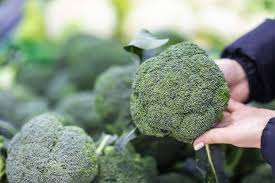
Broccoli loves cooler weather and produces tighter heads when grown in winter. Protect it with lightweight frost cloth in regions with heavy freezes.
Tip: Harvest side shoots after the main head for a continuous yield.
🥔 5. Garlic
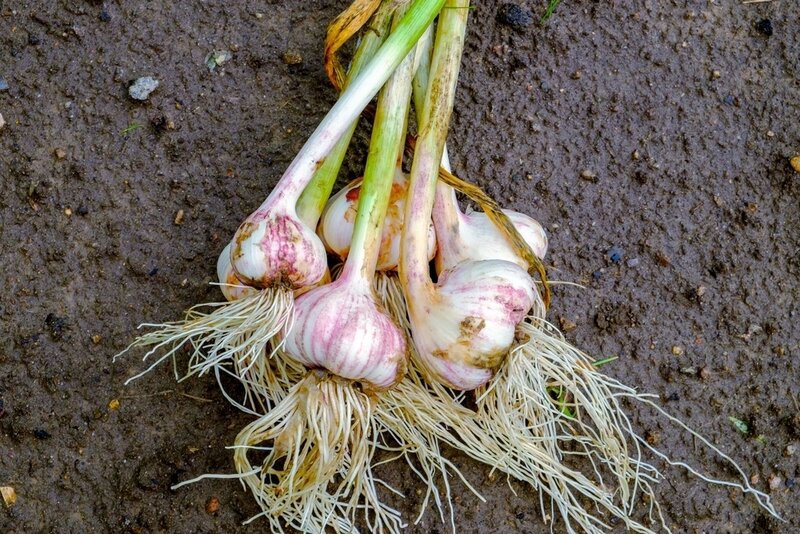
Garlic is one of the easiest crops to grow in winter. Plant in fall, mulch heavily, and it’ll grow strong roots before the ground freezes. You’ll enjoy harvest-ready bulbs by early summer.
🌿 6. Spinach
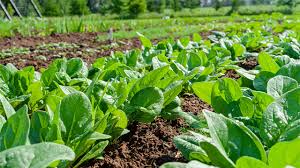
Spinach germinates well in cool soil and survives under snow. The Bloomsdale Long Standing and Giant Winter varieties are excellent choices for U.S. gardeners.
Pro Tip: Grow under low tunnels for a fresh supply throughout winter.
🥬 7. Cabbage
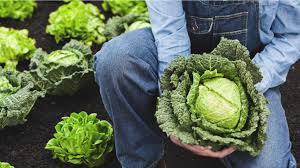
Cabbage can tolerate frost and cold winds. Winter varieties like January King and Savoy remain firm and flavorful even after snow.
Tip: Harvest outer leaves first to allow continued growth.
🧄 8. Leeks
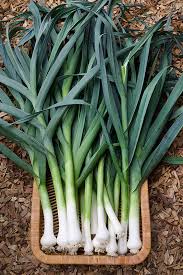
Leeks are incredibly hardy and often remain in the ground all winter. They provide a mild onion flavor perfect for soups and stews.
Best Varieties: Blue Solaise and Winter Giant.
🥔 9. Turnips & Rutabagas
These root crops love cool weather and store well through winter. They’re rich in fiber and nutrients—ideal for hearty winter meals.
How to Prepare Your Garden for Winter Growing
- Choose the Right Spot:
Select a location that gets maximum sunlight—at least 6 hours daily. - Improve Soil Drainage:
Cold, soggy soil can harm roots. Add compost or sand to loosen dense soil. - Mulch Generously:
Use straw, leaves, or wood chips to insulate plant roots and retain warmth. - Install Row Covers or Cold Frames:
These simple structures trap heat and protect from frost. - Plant at the Right Time:
Most winter vegetables should be planted in late summer or early fall for full maturity before heavy freezes.
Protecting Your Plants from Frost and Snow
Even cold-hardy vegetables need some protection during extreme cold snaps.
- Use frost cloths or old blankets at night.
- Water before frost: Moist soil retains more heat.
- Avoid pruning during cold spells: This exposes tender tissue.
- Use raised beds: They drain better and warm faster than ground-level soil.
Harvesting Tips for Winter Vegetables
- Harvest in midday: Leaves thaw and taste better.
- Don’t over-pick: Leave enough foliage for continued growth.
- Store properly: Root crops can stay in the ground under mulch, while greens last longer if kept cool and dry.
Bonus: Growing Indoors During Winter
If your region faces harsh winters (zones 3–5), consider indoor gardening:
- Use LED grow lights for herbs like basil, cilantro, and parsley.
- Try container gardening near sunny windows.
- Microgreens are quick, space-efficient, and profitable if you plan to sell locally.
Common Mistakes to Avoid
- Planting too late in the fall.
- Overwatering during cold months.
- Not using mulch or frost protection.
- Choosing non-hardy varieties meant for summer.
Conclusion: Fresh Produce, Even in the Coldest Months
Winter gardening isn’t just possible—it’s thriving across America. With careful planning and hardy plant choices, you can enjoy fresh vegetables even while snow covers the ground. Whether you’re a backyard grower or an urban gardener, extending your season means more self-sufficiency, better nutrition, and true gardening joy—all year round.
Keep Growing All Year Long!
Winter doesn’t mean your gardening journey has to stop. With a little planning and the right cold-hardy vegetables, you can enjoy a thriving garden even in freezing temperatures.
👉 Ready to plan your next season?
Check out our guides:
- Fall Vegetable Garden Planning Guide — for timing your crops perfectly before winter.
- How to Create a Low-Maintenance, Drought-Resistant Garden Landscape — for year-round beauty with minimal effort.
- Companion Planting Secrets: What to Grow Together for a Healthier Garden — to boost yields and protect plants naturally.
💬 Join the conversation!
Tell us in the comments: What are your favorite vegetables to grow during winter? Your tips could help fellow gardeners across the U.S.!
And don’t forget to subscribe to our newsletter for more gardening tips, seasonal planting guides, and eco-friendly growing ideas delivered straight to your inbox.